








Choosing a university is one of the most important decisions in a student’s life. The university you select can influence your education, professional network, skill development, career opportunities, and even your personal growth for years to come.
Unfortunately, many students make this decision based on social pressure, trends, or brand names without properly understanding whether the university actually matches their career goals. Some choose institutions because their friends are going there, while others focus only on rankings and ignore factors like degree quality, affordability, campus environment, or future opportunities.
The truth is that there is no single “best” university for everyone. The right university depends on your goals, interests, learning style, financial situation, and long-term plans.
In this guide, we will explain how to choose the right university for your career goals, including practical factors students should evaluate before making a final decision. [ infynews.com ]
Why Choosing the Right University Matters
A university is not just a place to earn a degree. It is an environment where students:
- Build professional skills
- Develop confidence
- Create networks
- Explore career interests
- Gain industry exposure
The wrong choice can lead to:
- Lack of motivation
- Career confusion
- Financial stress
- Poor learning experience
On the other hand, the right university can create opportunities that continue benefiting students long after graduation.
Start With Your Career Goals
Before researching universities, students should first understand themselves.
Ask yourself:
- What career do I want in the future?
- Which subjects genuinely interest me?
- What type of work environment do I prefer?
- Do I enjoy technical, creative, or business-related work?
- Do I want local or international opportunities?
Choosing a university without clear career direction often creates confusion later.
For example:
- A student interested in software development may prioritize technology-focused universities
- Someone interested in media may prefer institutions with strong communication programs
- Future entrepreneurs may look for business schools with startup ecosystems
Career clarity helps narrow down university options.
Understand the Difference Between Degree and University
Many students focus only on university reputation while ignoring the actual quality of the degree program.
A famous university may not always have the strongest department for your chosen field.
Important Questions to Research
- Is the department well-recognized?
- Are graduates successful in this field?
- Does the curriculum match modern industry needs?
- Are internships available?
Sometimes a smaller university may offer a stronger program in a specific discipline compared to a more famous institution.
Research University Reputation Carefully
University reputation still matters because employers and international institutions often recognize certain universities more easily.
Well-known universities in Pakistan include:
- National University of Sciences and Technology
- Lahore University of Management Sciences
- COMSATS University Islamabad
- Institute of Business Administration Karachi
- University of the Punjab
However, students should look beyond popularity and understand what the university specifically offers for their field.
Check Accreditation and Recognition
This step is extremely important but often ignored.
A university or degree program should be recognized by relevant educational authorities.
In Pakistan, students should verify recognition through:
- Higher Education Commission
- Professional councils for engineering, medicine, or business fields
Unrecognized degrees can create problems for:
- Government jobs
- International studies
- Professional certifications
- Employment opportunities
Always verify accreditation before applying.
Evaluate the Quality of Faculty
Good teachers can significantly improve the learning experience.
Research:
- Faculty qualifications
- Industry experience
- Research background
- Teaching methods
Universities with experienced faculty often provide stronger academic guidance and mentorship opportunities.
Look at Industry Exposure and Internships
Modern employers value practical experience as much as academic performance.
A strong university should offer:
- Internship opportunities
- Industry partnerships
- Career counseling
- Workshops and seminars
- Networking events
These experiences help students transition more smoothly into professional careers.
For example, technology students benefit greatly from universities connected with software companies and startup ecosystems.
Consider Campus Facilities and Learning Environment
A university environment affects motivation, productivity, and overall student experience.
Important factors include:
- Libraries
- Labs
- Internet facilities
- Research centers
- Sports facilities
- Student societies
- Campus safety
Students should ideally visit campuses physically if possible before making a final decision.
Public vs Private Universities
Both public and private universities have advantages and disadvantages.
Public Universities
Usually offer:
- Lower tuition fees
- High academic competition
- Large student populations
- Strong traditional reputation
Private Universities
Often provide:
- Modern campuses
- Smaller classes
- Updated teaching methods
- Flexible environments
- Better industry networking
The best choice depends on your financial situation and learning preferences.
Understand the Total Cost of Education
Many students only look at tuition fees and ignore additional expenses.
Costs May Include
- Hostel fees
- Transportation
- Internet and technology
- Books and materials
- Food and living expenses
Some universities may appear affordable initially but become expensive overall due to living costs.
Students should evaluate total expenses realistically.
Research Scholarship and Financial Aid Options
Financial pressure can negatively affect academic performance.
Fortunately, many universities offer:
- Merit scholarships
- Need-based financial aid
- Tuition fee waivers
- Student loan support
Institutions like Lahore University of Management Sciences and Aga Khan University are known for financial assistance programs.
Always check scholarship deadlines separately because they may differ from regular admissions.
Evaluate Career Support Services
Strong universities often help students with career development.
Useful services include:
- Resume workshops
- Career counseling
- Internship placement
- Job fairs
- Alumni networking
A university that actively supports employability can provide major advantages after graduation.
Consider Future Industry Trends
Students should also think about how industries are changing.
Fast-growing fields in 2026 include:
- Artificial Intelligence
- Cybersecurity
- Software Development
- Data Science
- Cloud Computing
- Digital Marketing
- Business Analytics
Universities offering updated programs in future-oriented industries may provide stronger long-term career opportunities.
Do Not Choose Only Based on Friends
This is one of the most common mistakes students make.
A university that suits your friend may not suit your goals, personality, or interests.
Your career decisions should be based on:
- Personal ambitions
- Academic interests
- Financial reality
- Professional goals
not social pressure.
Importance of Alumni Success
One practical way to judge a university is by looking at its graduates.
Research:
- Where alumni are working
- International placements
- Entrepreneur success stories
- Industry reputation
Strong alumni networks can also help students build professional connections later.
Online Learning and Hybrid Education
Modern education is evolving rapidly.
Many universities now offer:
- Online classes
- Hybrid learning systems
- Digital labs
- Virtual internships
Technology-friendly universities may better prepare students for remote work environments and future digital careers.
Questions Students Should Ask Before Choosing a University
Before making a final decision, students should ask:
- Does this university support my career goals?
- Is the degree respected in the industry?
- Can my family realistically afford it?
- Does the environment suit my personality?
- Are there internship and networking opportunities?
- Will this university help me grow professionally?
These questions can prevent many future regrets.
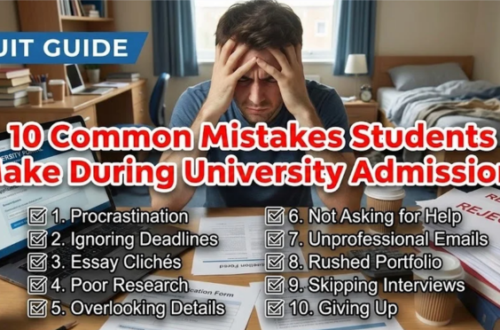
Common Mistakes Students Should Avoid
Choosing Only Based on Rankings
Rankings matter, but personal fit matters too.
Ignoring Degree Scope
Some students focus on university names while ignoring career opportunities in their chosen field.
Not Visiting the Campus
Photos online may not reflect the actual environment.
Following Family Pressure Blindly
Career satisfaction matters more than social expectations.
Ignoring Financial Planning
Students should avoid creating unnecessary financial stress.
Final Thoughts
Choosing the right university is not only about prestige or popularity. It is about finding an institution that supports your academic interests, career ambitions, financial situation, and personal growth.
A good university can provide opportunities, exposure, confidence, and professional connections that shape your future. At the same time, students should remember that success ultimately depends on continuous learning, skills, consistency, and effort — not just the university name.
Take time to research properly, understand your goals clearly, and make informed decisions instead of rushed choices influenced by trends or pressure.
The right university should help you move closer to the future you genuinely want to build.
Frequently Asked Questions
How do I know if a university is good for my career?
Research the university’s reputation, faculty, industry connections, graduate success, and program quality related to your field.
Are private universities better than public universities?
Both have advantages. Public universities are often more affordable, while private universities may offer modern facilities and industry exposure.
Should university rankings matter?
Rankings are useful, but students should also evaluate program quality, affordability, and career support.
Is accreditation important?
Yes. Accredited universities and programs are important for employment, higher education, and professional recognition.
Can scholarships reduce university expenses?
Yes. Many universities offer merit-based and need-based financial aid opportunities.
SEO Keywords
how to choose a university, best university for career goals, university selection guide, choosing the right university, higher education Pakistan, university admission tips, best universities in Pakistan, career planning for students, university comparison guide, education career advice