Common Mistakes Students Make During the Admission Process
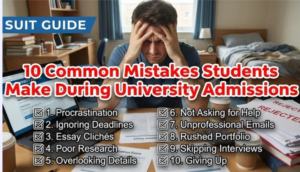
The university admission process can feel exciting, stressful, and confusing at the same time. Every year, thousands of students apply to colleges and universities with high hopes for their future. Some successfully secure admission into their desired programs, while others miss opportunities because of avoidable mistakes. In many cases, students are academically capable but make poor decisions during the application process. Missing deadlines, choosing the wrong programs, ignoring entry test preparation, or submitting incomplete documents can seriously affect admission chances. The reality is that university admissions are becoming more competitive every year, especially in countries like Pakistan where merit-based systems are widely used. This makes proper planning and awareness extremely important. In this guide, we will discuss the most common mistakes students make during the admission process and how to avoid them. [ infynews.com ] Why Students Make Admission Mistakes Many students apply to universities for the first time without proper guidance. Some rely on friends, social media rumors, or outdated information instead of official sources. Common reasons include: Even small mistakes can create long-term consequences for academic and career growth. 1. Applying Without Proper Research One of the biggest mistakes students make is applying to universities without understanding the institution or degree program properly. Some students choose universities only because: This can lead to disappointment later. What Students Should Research Choosing a degree without understanding career prospects can become a serious regret later. 2. Ignoring Admission Deadlines Many students miss opportunities simply because they fail to submit applications on time. Universities usually have strict deadlines for: Late applications are often rejected automatically. How to Avoid This Mistake Waiting until the last day increases the risk of technical problems or incomplete applications. 3. Depending Only on One University Some students apply to only one dream university and ignore backup options. This is risky because: Smart students usually apply to multiple institutions. Better Strategy Apply to: This increases overall admission chances. 4. Choosing a Degree Based Only on Trends Every few years, certain fields become extremely popular. Recently, many students rushed toward: While these fields offer strong opportunities, not every student is genuinely interested in them. Choosing a degree only because it is trending can create problems later if your interests and abilities do not match the field. Important Questions to Ask Yourself Career satisfaction matters more than blindly following trends. 5. Poor Entry Test Preparation Many students focus only on board exams and underestimate university entry tests. In competitive universities, entry tests play a major role in merit calculation. Examples include: A student with strong academic marks may still struggle if entry test preparation is weak. Common Entry Test Mistakes Consistent preparation is usually more effective than last-minute cramming. 6. Submitting Incomplete Documents Incomplete applications are one of the most frustrating mistakes because they are completely avoidable. Missing documents may include: Some students also upload blurry or incorrect files during online applications. How to Avoid This Problem Attention to detail matters during admissions. 7. Ignoring Scholarship Opportunities Many students assume they cannot afford top universities and never apply for scholarships. This is a major mistake because many institutions offer: Universities such as Lahore University of Management Sciences and Aga Khan University are known for financial aid programs for deserving students. Students should carefully research scholarship policies instead of making assumptions. 8. Following Social Pressure Instead of Personal Goals In many families, students feel pressured into choosing careers like: even if they have different interests. This can create long-term frustration and lack of motivation. Why Personal Interest Matters Students usually perform better in fields they genuinely enjoy. A successful career depends on: Not just social status. 9. Ignoring Communication Skills Academic marks are important, but communication skills also matter. Some universities conduct: Students who cannot communicate clearly may struggle during these stages. Important Skills to Improve These skills also help later during internships and job applications. 10. Believing Rumors on Social Media Students often trust unofficial information from: This can lead to confusion about: Always verify information through official university sources. 11. Not Understanding Merit Calculations Some students focus only on intermediate marks without understanding how aggregate systems work. Many universities combine: A strong entry test result can sometimes improve overall merit significantly. Understanding the formula helps students plan better. 12. Applying Without Career Planning Some students select degrees without thinking about: This creates problems after graduation when job opportunities feel limited. Better Approach Research: before finalizing a degree. 13. Panicking After Low Scores Not getting into a dream university does not mean your future is ruined. Many successful professionals build excellent careers through: Students should avoid emotional decisions after setbacks. 14. Waiting Until the Last Minute Last-minute applications create unnecessary stress. Students who delay preparation often face: Early planning reduces pressure and improves decision-making. Technology and Online Admissions in 2026 Modern admission systems are becoming more digital. Most universities now allow: While this improves convenience, students must also stay careful about: How Students Can Make Smarter Admission Decisions Research Multiple Universities Avoid depending on only one option. Understand Degree Scope Look beyond trends and focus on long-term career fit. Improve Entry Test Preparation Consistent practice matters more than shortcuts. Stay Organized Keep all documents and deadlines properly managed. Seek Guidance From Reliable Sources Teachers, counselors, and official university websites are more trustworthy than rumors. Final Thoughts The admission process can shape a student’s academic journey and future career opportunities. While competition continues increasing, many admission mistakes are completely avoidable with proper planning, awareness, and preparation. Students should focus on informed decision-making instead of panic, social pressure, or shortcuts. Choosing the right university and degree requires research, honesty about personal interests, and realistic career planning. A university admission is important, but it is not the only factor that defines success. Skills, consistency, adaptability, and continuous learning matter just as much in the modern world. Frequently Asked Questions What is the biggest mistake students make during admissions? One of the biggest mistakes is applying without proper research about universities and degree programs. Is applying to only one university risky? Yes. Applying to multiple universities increases admission chances and provides backup options. Do entry tests matter more than board marks? Both matter. Most universities calculate merit using a combination of academic marks and entry test scores. Can students get scholarships in private universities? Yes. Many private universities offer merit-based and need-based financial aid programs. How can students avoid admission stress? Early preparation, proper organization, and researching official information can reduce stress significantly. SEO Keywords admission mistakes students make, university admission guide, college admission mistakes, common admission errors, student admission tips, university application process, admission preparation guide, higher education Pakistan, university admission advice, student career planning
