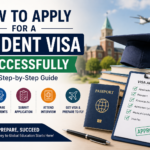



Studying abroad is a dream for many students. Whether you plan to study in the United States, Canada, the United Kingdom, Australia, or another country, obtaining a student visa is one of the most important steps in the process.
Unfortunately, many applications are delayed or rejected because students submit incomplete documents or misunderstand visa requirements. The good news is that with proper preparation and accurate information, the student visa process can be much smoother.
This guide explains how to apply for a student visa successfully, what documents you need, common mistakes to avoid, and practical tips to improve your chances of approval.
What Is a Student Visa?
A student visa is an official authorization that allows international students to enter and study in a foreign country for a specific period.
Each country has its own visa category and requirements. For example:
- United States – F-1 Student Visa
- Canada – Study Permit
- United Kingdom – Student Visa
- Australia – Student Visa (Subclass 500)
Before applying, it’s important to understand the specific requirements of your chosen destination.
Step 1: Secure Admission to a Recognized Institution
Before you can apply for a student visa, you must first receive an admission offer from an approved educational institution.
This could be:
- A university
- A college
- A language school
- A vocational training institute
After acceptance, the institution will provide an official admission letter or enrollment confirmation document, which is required for your visa application.
Example
If a student is accepted into a Canadian university, they will receive a Letter of Acceptance (LOA), which must be submitted during the visa application process.

Step 2: Understand the Visa Requirements
Many students make the mistake of assuming all countries have the same visa rules.
Requirements often include:
- Valid passport
- Admission letter
- Proof of financial support
- Medical examination
- English language test results
- Passport-sized photographs
- Visa application forms
Always review the latest requirements through official immigration websites before submitting your application.
Step 3: Prepare Financial Documents
One of the most important parts of a student visa application is proving that you can afford your education and living expenses.
Immigration authorities usually want evidence that you can cover:
- Tuition fees
- Accommodation costs
- Food and transportation expenses
- Health insurance (if required)
Common financial documents include:
- Bank statements
- Sponsorship letters
- Scholarship awards
- Education loan approvals
A strong financial profile demonstrates that you can support yourself without relying on unauthorized employment.
Step 4: Complete the Visa Application Form Carefully
Small errors can create delays or even lead to rejection.
When completing the application:
- Use accurate information
- Match details with your passport
- Double-check dates and spellings
- Answer all questions honestly
Even simple mistakes, such as incorrect passport numbers or incomplete travel history, can cause complications.
Step 5: Pay the Required Visa Fees
Most countries require students to pay application processing fees before their visa request can be reviewed.
The amount varies depending on:
- Country
- Visa category
- Processing speed
- Additional services
Always keep payment receipts because they may be requested during the application process.
Step 6: Schedule a Biometrics Appointment
Many countries require applicants to provide biometric information.
This usually includes:
- Fingerprints
- Digital photographs
- Identity verification
Biometric appointments are generally completed at designated visa application centers.
Missing your appointment can delay processing significantly.
Step 7: Attend the Visa Interview (If Required)
Some countries require an interview as part of the application process.
During the interview, officers may ask:
- Why did you choose this university?
- Why do you want to study abroad?
- How will you finance your education?
- What are your future career plans?
Practical Tip
Answer questions honestly and confidently. Immigration officers are often evaluating whether you are a genuine student with clear educational goals.
For example, if you are pursuing a master’s degree in data science, explain how the program aligns with your long-term career plans rather than giving vague responses.
Step 8: Track Your Application Status
After submission, most immigration systems allow applicants to track their visa status online.
Tracking helps you:
- Monitor progress
- Respond to additional document requests
- Stay informed about approval timelines
Processing times vary by country and season, so patience is important.
Common Reasons Student Visas Get Rejected
Understanding common rejection factors can help you avoid them.
Insufficient Financial Evidence
If authorities are not convinced that you can fund your studies, your application may be refused.
Incomplete Documentation
Missing documents are among the most common reasons for delays and rejections.
Weak Study Plan
Applicants should clearly explain why they selected a particular course and institution.
False Information
Providing inaccurate or misleading information can result in immediate refusal and future immigration complications.
Tips to Increase Your Chances of Approval
Students who prepare carefully often experience smoother application outcomes.
Helpful strategies include:
- Apply early
- Organize documents professionally
- Maintain accurate financial records
- Practice for interviews
- Follow official guidelines only
- Keep copies of all submissions
A well-prepared application creates a positive impression and reduces unnecessary complications.
What to Do After Receiving Your Student Visa
Once your visa is approved, there are still several important tasks to complete.
You should:
- Book travel arrangements
- Arrange accommodation
- Purchase health insurance if required
- Review university orientation schedules
- Prepare important documents for arrival
Being organized before departure helps ensure a smoother transition to student life abroad.
Conclusion
Applying for a student visa may seem complicated at first, but the process becomes much easier when broken down into clear steps. From securing admission and preparing financial documents to attending interviews and tracking your application, every stage plays an important role in achieving approval.
The key to success is preparation. Students who submit accurate information, provide strong supporting documents, and follow official requirements carefully are generally more likely to receive a positive outcome.
A student visa is more than just a travel document—it is the gateway to international education, new opportunities, and long-term career growth.
Frequently Asked Questions
How early should I apply for a student visa?
It is recommended to apply several months before your course starts, as processing times can vary significantly.
Can I work while studying on a student visa?
Many countries allow limited part-time work for international students, but regulations differ by destination.
What financial documents are usually required?
Bank statements, scholarship letters, sponsorship documents, and approved education loans are commonly accepted.
Does a university admission letter guarantee visa approval?
No. Admission is only one requirement. Immigration authorities also evaluate finances, documentation, and eligibility.
What should I do if my student visa is rejected?
Review the refusal reasons carefully, address any weaknesses in your application, and reapply if eligible.